World Environment Day brings into focus the urgency of climate change and the collective responsibility it demands. Across Australia and globally, children are already encountering these changes in their everyday lives. They notice, question, and respond in ways that call for our attention.
Within a Reggio Emilia–informed approach, children are understood as capable participants in a shared, living world. Their encounters with place, materials, and other species invite educators to move beyond seeking quick “how to” solutions. Instead, we are challenged to cultivate pedagogies grounded in listening, attunement, and ethical response.
This requires us to remain critically aware of the social and ecological contexts shaping education today. It also calls for an ongoing commitment to equity and justice in how futures are imagined and enacted with children.
We honour Aboriginal and Torres Strait Islander Peoples as the First Peoples and Custodians of Country, whose knowledges and practices continue to guide respectful and reciprocal relationships with land, waters, and all living beings. These enduring relationships offer essential provocations for education in a time of climate urgency.
World Environment Day is both a call to action and a call to attention. It asks us to remain with complexity, to resist simplification, and to work collectively with children as thoughtful partners.
What might become possible when education holds space for care, responsibility, and shared action in response to a changing climate?
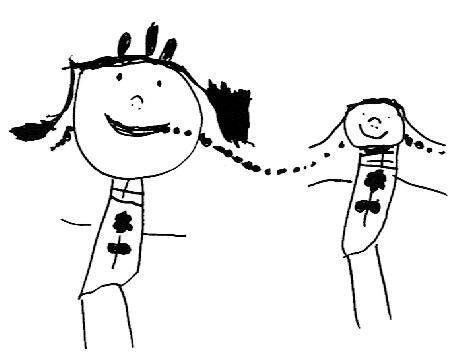
Artwork by Charli