The 2026 Indigenous Literacy Day theme, ‘Country is Our Teacher’, celebrates Aboriginal and Torres Strait Islander Peoples’ stories, cultures and languages. It invites educators to encounter literacy as living, relational and connected with Country, community, identity and the sharing of knowledge across generations.
‘Country is Our Teacher’ invites us into relationships of learning with Aboriginal and Torres Strait Islander Peoples. Through listening with humility and building relationships, we can deepen understandings of Country, and respectfully engage with the enduring knowledge, languages and stories that continue to shape ways of knowing, being and doing.
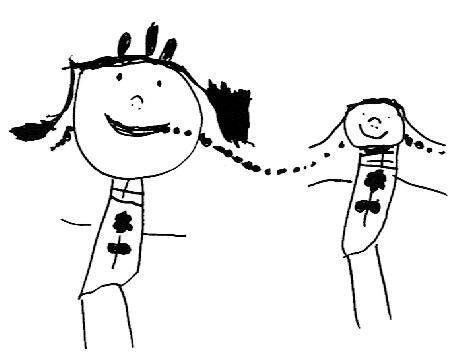
The principle of the hundred languages invites us to recognise the richness of children’s many ways of knowing, expressing, communicating and making meaning through relationships. In dialogue with this year’s theme, we are invited to consider how children also encounter and communicate with the world through relationships with Country, culture, community and place. This opens a broader understanding of literacy.
Stories are spoken, written, sung, danced, painted, embodied and shared through relationships. Languages carry connections with people, culture and Country. Children encounter knowledge through many modes of expression and through the collective life of families and communities.
Listening is an ethical and relational practice. It invites us to slow down, to be present and to question what we think we know. It asks us to listen with humility, as we build relationships with Aboriginal and Torres Strait Islander communities and to remain open to having our own assumptions challenged.
As educators, we might reflect:
• How might we challenge our own assumptions by learning with and from Aboriginal and Torres Strait Islander Peoples, deepening our understanding of the interconnected relationships between Country, culture, language, community and ways of knowing, being and doing?
• How might we broaden our understanding of the many languages through which children communicate, learn and make meaning?
• How do we recognise Aboriginal and Torres Strait Islander children as knowledgeable, capable and culturally strong?
On Indigenous Literacy Day, we celebrate the vitality of Aboriginal and Torres Strait Islander languages, stories and cultures. We acknowledge Aboriginal and Torres Strait Islanders sharing knowledge and stories, while recognising that such knowledge also remains held within communities, relationships and places.
May this day strengthen our commitment to listening deeply, learning with humility and building respectful relationships with Aboriginal and Torres Strait Islander Peoples. Through these relationships, we continue to expand our understanding of literacy and the many languages through which children come to know, express and make meaning with the world.